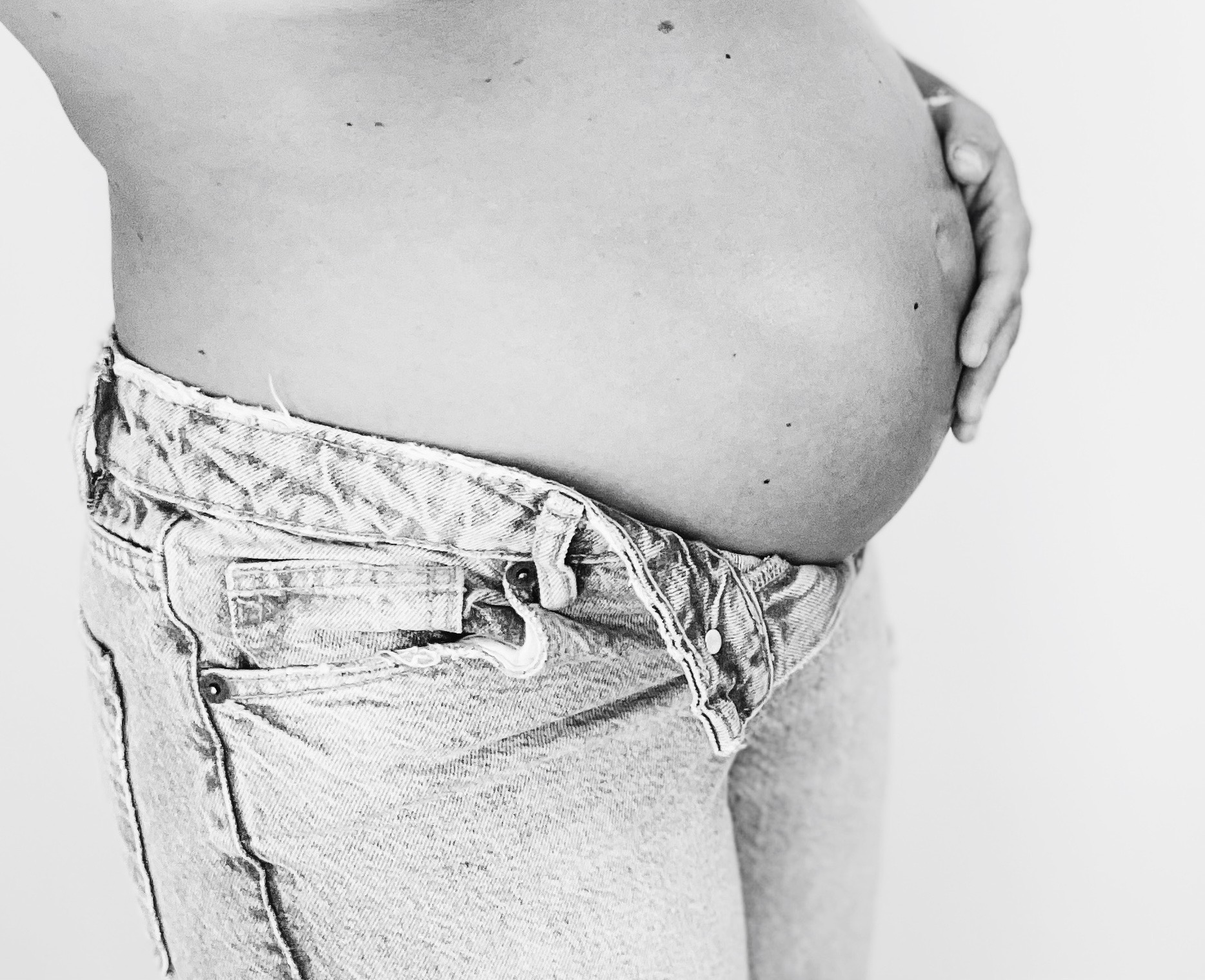
Pregnancy and dental care: what you need to know
Hormones, nausea, and changing routines can affect your teeth and gums. Smart prevention now protects you and your baby.
Why dental care matters during pregnancy
Hormonal changes increase blood flow to the gums, which can make them more sensitive or prone to bleeding. This is often called pregnancy gingivitis. Inflammation is a sign to clean more effectively, not less. Good oral health during pregnancy also reduces the risk of transferring cavity-causing bacteria to your baby.
Key takeaway: healthy gums and clean teeth support both your health and your baby's development. Treat inflammation early, and don't skip dental visits because you're pregnant.
What's safe and when
- Cleanings, exams, and necessary X-rays (with proper shielding) are safe during all trimesters.
- Local anesthesia is safe when needed for treatment.
- Urgent care for pain, infection, or swelling should never be delayed.
- For comfort late in pregnancy, we may tilt your position slightly to the left to help circulation.
Home care (even if your gums bleed)
If your gums bleed, it means they're inflamed. Continue cleaning gently but thoroughly until bleeding subsides.
- Brush twice daily with a soft toothbrush and fluoride toothpaste.
- Clean between teeth every day using floss or interdental brushes.
- If you notice bleeding, keep brushing and flossing: that's how inflammation heals.
- Try high-quality floss like Cocofloss for comfort and effectiveness.
- Rinse with water or a baking soda solution after morning sickness or reflux, and wait 30 to 60 minutes before brushing.
- Drink water often and chew xylitol gum after meals if recommended.
- Use a gentle tongue scraper to reduce bacteria and improve breath.
Diet, cravings, and enamel protection
- Frequent snacking increases cavity risk. Pair snacks with protein and rinse with water after eating.
- Acid from vomiting or reflux can weaken enamel—rinse right away, but wait before brushing.
- Use fluoride toothpaste, and ask about in-office fluoride varnish if you have higher cavity risk.
Professional hygiene and gum care
Many pregnant patients benefit from an extra cleaning to control inflammation. If deeper gum pockets are present, non-surgical periodontal therapy can be safely completed during the second trimester to reduce bacteria and bleeding.
Planning ahead for you and your baby
- Treat active decay before delivery when possible.
- Continue strong home care after your baby arrives to reduce bacteria transfer.
- Plan your postpartum cleaning and your baby's first dental visit by age one or when the first tooth erupts.
Common Questions
Are X-rays safe during pregnancy?
Yes, when needed for diagnosis and done with proper shielding.
Should I stop flossing if my gums bleed?
No. Bleeding means inflammation, and continued gentle cleaning will help it resolve.
Which trimester is best for dental treatment?
All trimesters are safe for care. Many patients prefer the second trimester for comfort, but urgent issues should always be treated promptly.
What about morning sickness?
Rinse with water or baking soda after vomiting. Wait 30 to 60 minutes before brushing to protect enamel.
Is it safe to get numbed with local anesthesia while pregnant?
Yes. Local anesthesia is considered safe throughout pregnancy when treatment is needed, and delaying necessary care can pose more risk than the treatment itself.
Can I still get a wellness visit or cleaning while pregnant?
Yes. Routine wellness visits and cleanings are not only safe but recommended during pregnancy, since hormonal changes can make gums more prone to inflammation and bleeding.
Why are my gums suddenly bleeding when I never had this problem before?
This is commonly caused by pregnancy gingivitis, a result of increased blood flow and hormonal changes that make gum tissue more sensitive. It typically improves with consistent, gentle home care and professional cleanings.
Can dental problems during pregnancy affect my baby?
Untreated gum disease and high levels of cavity-causing bacteria have been linked to complications, including the potential transfer of bacteria to your baby. Maintaining good oral health during pregnancy supports both your health and your baby's development.
Is it safe to have dental work done in the first trimester?
Routine and urgent care are safe throughout the first trimester. Elective procedures are sometimes postponed to the second trimester purely for comfort, but necessary treatment should never be delayed.
What if I need an emergency dental procedure while pregnant?
Dental emergencies, such as infection, swelling, or significant pain, should always be treated promptly regardless of trimester. Delaying treatment can pose a greater risk than the procedure itself.
When should my baby have their first dental visit?
We recommend scheduling your baby's first dental visit by their first birthday, or as soon as their first tooth erupts, whichever comes first.
Our approach: gentle, evidence-based care designed around your comfort and safety. Whether you're pregnant or postpartum, we tailor your dental plan to your specific needs.